Discovering Lively Note: The Font that Breathes Life into Your Stories
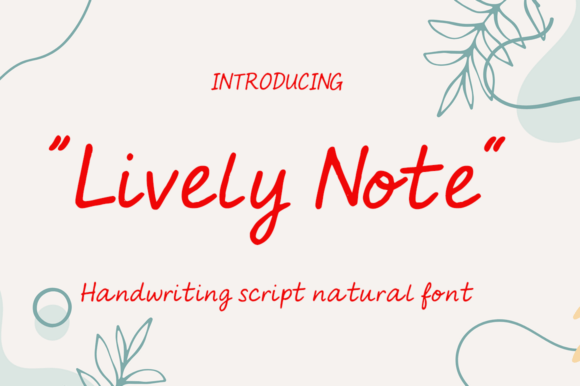
In the digital age, we often find ourselves surrounded by rigid, geometric typefaces that, while legible, lack the soul of human touch. There is a growing desire for authenticity in communication, a need to bridge the gap between cold screens and warm hearts. This is where Lively Note enters the conversation. It is not merely a typeface; it is a digital whisper of human connection, a unique handwritten font that uncannily mirrors a spontaneous scribble found in a treasured journal. By embracing the imperfect beauty of the human hand, Lively Note offers a solution for anyone seeking to inject genuine intimacy and emotional resonation into their written words.
The Challenge of Digital Coldness
We communicate more than ever before, yet much of this communication feels sterile. Whether you are a small business owner sending a thank-you email, a blogger sharing a personal journey, or a designer crafting an invitation, the default fonts often fail to convey the emotion behind the message. The challenge lies in finding a typeface that is legible enough for modern screens but expressive enough to show personality. Many script fonts fall into two traps: they are either too formal and calligraphic, resembling a wedding certificate rather than a daily note, or they are too messy, sacrificing readability for style.
Users today are looking for tools that help them stand out while remaining relatable. The goal is to create content that doesn't just inform but connects. You need a font that feels like a friend speaking to you, not a corporation broadcasting at you. This is the specific need that Lively Note addresses. It fills the void between professional polish and personal authenticity.
How Lively Note Solves the Authenticity Problem
Lively Note is designed with delicate curves and smooth-flowing characters that mimic the natural rhythm of handwriting. Unlike standard fonts that rely on perfect symmetry, Lively Note embraces the subtle variations that make handwriting unique. This design philosophy helps address several common situations:
- Building Brand Trust: For brands aiming to appear approachable and human, using Lively Note in headers or logos can soften the corporate image. It signals to the customer that there are real people behind the brand who care about the details.
- Enhancing Storytelling: Writers and content creators often struggle to make digital text feel immersive. Because Lively Note mirrors a spontaneous scribble, it can make excerpts, quotes, or journal-style entries feel like discovered artifacts, pulling the reader deeper into the narrative.
- Celebrating Milestones: In personal projects like wedding invitations, anniversary cards, or graduation announcements, the font adds a layer of sentimental value that standard sans-serifs simply cannot provide.
The "magic" of Lively Note lies in its ability to breathe life into stories. When you type with this font, the words stop being just data; they become an experience. The smooth flow of the characters guides the reader's eye naturally, creating a rhythm that feels like spoken word rather than written text.
Practical Applications and Implementation
Understanding what Lively Note is helps, but knowing how to use it effectively is where the transformation happens. Here are practical ways different users can implement this font to achieve specific outcomes.
For Digital Marketers and Content Creators
In a sea of generic blog posts, visual hierarchy is king. You can use Lively Note to highlight key takeaways or to create "handwritten" annotations on images. For example, if you are creating a tutorial, using Lively Note for the tips or notes creates a visual distinction that draws the eye. It mimics the experience of a teacher writing notes in the margins of a textbook.
Recommendation: Use Lively Note for pull-quotes or social media graphics. The font's natural charm invites reading, which can increase engagement rates on platforms like Instagram and Pinterest where aesthetic appeal is crucial.
For E-commerce and Customer Relations
Customer experience is often defined by the small touches. If you run an online store, consider using Lively Note for the "Thank You" message on the order confirmation page or in follow-up emails. It transforms a transactional notification into a personal gesture. It tells the customer, "We see you, and we appreciate you," in a visual language that feels warm and genuine.
Outcome: This small change can humanize your automated systems, potentially increasing customer loyalty and repeat business. It turns a standard email into a memorable interaction.
For Personal Projects and Journaling
For those who keep digital journals or create scrapbooks, Lively Note is the perfect companion. It captures the essence of pen on paper without the permanence of ink. It allows you to edit your thoughts while retaining the aesthetic of a handwritten diary. This is particularly useful for those who want to share personal stories or memories with family members in a format that feels intimate and private.
Tailoring the Approach: Different Users, Different Needs
Not everyone will use Lively Note in the same way, and that is the beauty of its versatility. The approach depends heavily on the user's specific goals.
- The Minimalist Designer: This user might use Lively Note sparingly. They might pair it with a clean, sans-serif font. In this context, Lively Note serves as the accent—a splash of color in a monochrome world. It is used only for the most emotional parts of the design, such as a headline or a specific call to action.
- The Maximalist Storyteller: This user might use Lively Note for larger blocks of text, provided the size is large enough for readability. They are creating a mood board or a lifestyle blog where the entire aesthetic is built around warmth and nostalgia.
- The Corporate Professional: Even in business, there is a place for Lively Note. A CEO might use it to sign off on a company-wide newsletter, adding a personal touch to leadership communications. It bridges the gap between the hierarchy and the team, making leadership feel more accessible.
Key Considerations for Best Results
To get the most out of Lively Note, there are a few technical and stylistic considerations to keep in mind. Because it is a handwritten font, readability is paramount when used in smaller sizes.
- Size Matters: Handwritten fonts generally require a slightly larger font size than standard serif or sans-serif fonts to remain legible. Ensure that your body text is at least 16px or 12pt if you choose to use Lively Note for longer paragraphs.
- Contrast is Key: The delicate curves of Lively Note show up best against high-contrast backgrounds. Avoid placing this font over busy images or textured backgrounds without a semi-transparent overlay to ensure the text remains the focal point.
- Pairing Fonts: Lively Note pairs beautifully with simple, geometric sans-serifs (like Montserrat or Open Sans). The contrast between the structured geometric font and the organic flow of Lively Note creates a balanced, professional yet approachable look.
- Emotional Context: Consider the emotional weight of your content. Lively Note is imbued with warmth, making it ideal for positive, uplifting, or nostalgic content. It may not be the best choice for legal disclaimers, error messages, or highly technical data where absolute precision and neutrality are required.
The Outcome: Words that Breathe
Ultimately, the goal of using a tool like Lively Note is to change the way your audience feels when they read your content. In a world that is increasingly automated and AI-driven, the human touch is becoming a luxury. By incorporating Lively Note into your design toolkit, you are making a conscious choice to prioritize connection over efficiency.
You are choosing to let your words breathe. You are acknowledging that communication is not just about the transfer of information, but the transfer of emotion. Whether you are designing a wedding invitation, crafting a heartfelt blog post, or simply writing a note to a friend, Lively Note ensures that your message is not just seen, but felt. It transforms the mundane into the meaningful, one smooth-flowing character at a time.