Lobster: The Strategic Power of a Handwritten Font in Modern Design
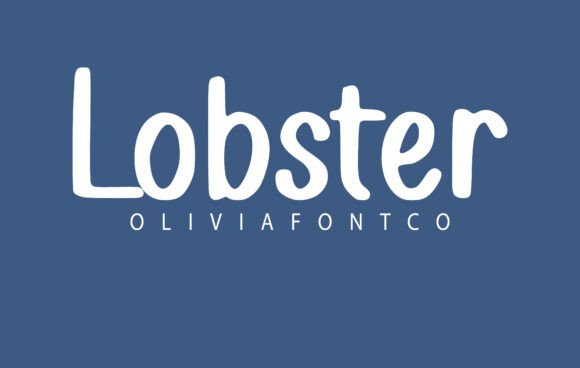
In the crowded digital landscape, every visual choice carries weight. Fonts are not merely decorative; they are silent communicators of tone, value, and intention. The Lobster font stands out as a prime example of a typeface with distinct character. It is an authentic handwritten font with a romantic touch, expertly designed to be both legible and emotionally resonant. For creators, marketers, and business owners, understanding how to deploy Lobster strategically can elevate a project from ordinary to memorable, but its use requires careful consideration to avoid common pitfalls.
Understanding the Core Appeal of Lobster
At its heart, Lobster is a script font that mimics the fluidity and warmth of natural handwriting. Unlike formal serif or clean sans-serif fonts, it injects personality and approachability into text. Its design balances artistic flair with readability, making it versatile enough for titles and, in some contexts, shorter body text. This unique combination means Lobster can serve as a strategic tool for setting a specific mood—whether that's elegance for a wedding invitation, authenticity for a brand story, or creative energy for a magazine headline.
The font's romantic and slightly playful aesthetic makes it particularly effective for projects aiming to connect on an emotional level. It bypasses the sterile feel of corporate fonts, offering instead a human touch that can foster trust and relatability. For a freelancer building a personal brand or a small business owner crafting customer communications, Lobster can help convey warmth and individuality without sacrificing professionalism.
Strategic Applications: Where Lobster Adds Value
Choosing Lobster should be a deliberate decision aligned with specific goals. Its strengths shine in contexts where personality and emotional appeal are paramount.
Branding and Identity
For brands seeking to position themselves as approachable, creative, or artisanal, Lobster can be a powerful asset. Using it in logos, taglines, or key brand messaging can differentiate a business from competitors using more conventional fonts. However, it's crucial to consider long-term brand consistency. A bakery or boutique might find Lobster perfect for conveying handmade quality, but a financial consultancy might want to pair it with a more structured font to balance approachability with authority.
Marketing and Communication
In marketing materials, Lobster can capture attention in headlines, social media graphics, and email subject lines. Its handwritten style stands out in feeds saturated with standard typefaces. For a social media campaign promoting a creative workshop or a romantic product launch, Lobster can immediately signal the event's tone. The key is to use it sparingly for maximum impact—perhaps in a main headline paired with a clean, readable font for body text to ensure information is easily digestible.
Event and Personal Projects
Wedding invitations, greeting cards, and personal blogs are natural habitats for Lobster. It adds a bespoke, heartfelt quality that generic fonts lack. For educators creating materials for a creative writing class or hobbyists designing a family recipe book, Lobster can enhance the project's personal significance and aesthetic appeal.
Implementing Lobster with Intention: A Practical Guide
Random use of any distinctive font can lead to visual clutter and diluted messaging. To leverage Lobster effectively, consider these practical steps.
- Define Your Context and Audience: Before selecting Lobster, ask: Who is this for? What feeling should they have? A romantic touch suits a wedding site but may feel out of place on a technical report. Ensure the font's personality aligns with your audience's expectations and your project's core message.
- Establish a Typographic Hierarchy: Use Lobster strategically within a larger design system. It often works best for primary headlines or short, impactful phrases. Pair it with a complementary sans-serif or serif font for body text to maintain readability and create visual contrast. This hierarchy guides the viewer's eye and reinforces information structure.
- Test for Legibility Across Mediums: While Lobster is designed for legibility, always test it at the size and in the context where it will be used. A beautiful headline on a desktop screen may become difficult to read as a small mobile caption. Print test copies for physical items like invitations or business cards to ensure clarity.
- Consider Long-Term Brand Assets: If adopting Lobster for a business, think about its scalability. Will it work across all planned marketing channels? Does it have the necessary licensing for commercial use? Document its usage rules to ensure consistency across all team members and future projects.
Avoiding Common Pitfalls: When Not to Use Lobster
The distinctive nature of Lobster means it carries inherent risks if applied without clear strategy.
- Overuse Leading to Visual Fatigue: Using Lobster for large blocks of body text can strain the reader's eyes and undermine its special appeal. Its power lies in accent, not ubiquity. Reserve it for key moments where its personality can shine without overwhelming the design.
- Clashing with Brand Values: If a brand's core identity is built on precision, innovation, or minimalist efficiency, the romantic, handwritten feel of Lobster might create a dissonant message. Always align font choice with the foundational brand narrative.
- Neglecting Accessibility: Handwritten fonts can pose challenges for individuals with dyslexia or visual impairments. Ensure sufficient contrast, size, and line spacing, and consider offering a more accessible font alternative for primary reading content, especially in digital environments.
- Contextual Mismatch: Applying Lobster to a serious news update, a legal document, or a medical brochure would likely undermine credibility. Context is king; the font should enhance, not contradict, the subject matter.
Lobster as Part of a Broader Creative Toolkit
Viewing Lobster not as a standalone solution but as one tool in a larger creative arsenal is the mark of a strategic thinker. Its value increases when used intentionally to achieve a specific communicative goal. For a marketer, it might be the perfect font for a holiday campaign's hero image but replaced with a more neutral typeface for a quarterly business report. For a blogger, it could define the aesthetic of a personal brand's logo while using a different font for article text to ensure comfortable reading.
The decision to use Lobster should stem from a clear understanding of the project's objectives and the desired audience perception. It is excellent for injecting warmth, creativity, and a human touch. When paired with thoughtful planning, clear typographic rules, and an awareness of its limitations, Lobster can indeed help take creative ideas to a higher level, fostering stronger connections and more impactful designs. The goal is not to use a font because it is popular or unique, but because it strategically serves the work you are trying to accomplish.