Infusing Joy into Design: The Power of Cute Bubble Font
In the vast world of digital typography, choosing the right typeface is more than just picking letters that are legible; it is about selecting a voice. Fonts carry emotional weight, cultural associations, and visual energy. Among the myriad of styles available, Cute Bubble Font stands out as a distinct choice for designers looking to inject warmth, friendliness, and a playful spirit into their work. It is a typeface characterized by its soft, rounded geometry, designed specifically to evoke a sense of cheerfulness and approachability. Whether you are crafting a social media post, designing a party invitation, or building a child-friendly website, understanding how to effectively utilize this style can transform a standard design into something memorable.
The Anatomy of Cheerfulness
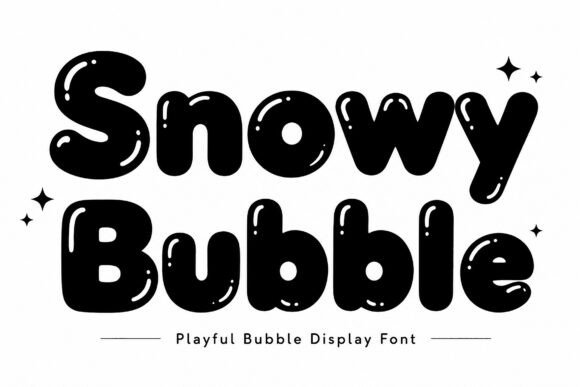
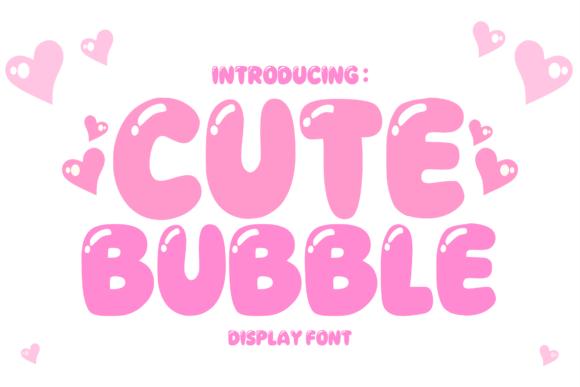
What exactly makes a font "cute"? In the case of Cute Bubble, the answer lies in the details of its construction. Unlike sharp, serif fonts that imply tradition and seriousness, or stark sans-serifs that suggest corporate efficiency, bubble fonts mimic the organic shapes found in nature—specifically, balloons, soap bubbles, and rounded stones. The defining characteristic of Cute Bubble Font is the absence of sharp corners. Every terminal, curve, and joint is softened, creating a visual flow that is easy on the eyes.
This rounded architecture serves a psychological purpose. Humans tend to associate sharp angles with threat or alertness, while rounded shapes trigger associations with safety, comfort, and organic life. When a viewer sees text written in Cute Bubble Font, they subconsciously register the message as non-threatening and inviting. This makes the typeface particularly effective for brands or projects that want to establish an immediate emotional connection with their audience without the need for lengthy explanation.
Visual Weight and Balance
Another important aspect of this typeface is its visual weight. Bubble fonts often feature a heavier stroke width, giving the letters a bold, substantial presence. This density ensures that the text remains legible even when placed over busy backgrounds or colorful imagery. However, this weight is balanced by the lightness of the shape. The letters appear inflated, as if filled with air, which adds a whimsical quality to the text. This balance allows Cute Bubble Font to command attention without feeling oppressive, making it a versatile tool for headers, titles, and short bursts of text.
Practical Applications in Modern Design
The utility of Cute Bubble extends across various industries and platforms. In an era where digital communication often lacks the nuance of face-to-face interaction, visual cues like typography become essential for conveying tone.
Social Media and Digital Marketing
On platforms like Instagram, TikTok, and Pinterest, visual content is consumed rapidly. Users scroll through feeds at high speeds, and a post has only a fraction of a second to grab attention. Using Cute Bubble Font for overlay text on images or video thumbnails can significantly increase engagement. The font’s expressive nature helps to cut through the noise, signaling to the viewer that the content is likely fun, light-hearted, or entertaining. It is particularly popular in the beauty, lifestyle, and food niches, where a friendly and aesthetic presentation is paramount.
Event Stationery and Invitations
For physical and digital invitations, the font sets the mood before the guest even reads the details. Cute Bubble Font is an excellent choice for children’s birthday parties, baby showers, or casual get-togethers. It immediately communicates that the event will be relaxed and joyful. When paired with pastel color palettes and playful graphics, this font helps create a cohesive theme that feels curated and thoughtful.
Web Design and User Interface
While it is generally not recommended for long-form body text due to readability concerns at small sizes, Cute Bubble can be a strategic asset in web design. It works exceptionally well for hero sections, call-to-action buttons, and navigational elements on websites aimed at younger audiences or creative industries. For example, a portfolio site for a cartoonist or a landing page for a mobile game would benefit from the personality that this typeface brings. It helps in creating a user experience that feels cohesive with the brand's identity—playful, creative, and engaging.
Characteristics That Define the Style
To truly master the use of Cute Bubble Font, one must appreciate its specific design characteristics. It is not merely a "fat" font; it is a carefully crafted typeface designed to convey affection.
- Rounded Corners: As mentioned, the lack of sharp edges is the primary feature. This creates a seamless flow between letters.
- Expressive Letterforms: Often, bubble fonts include subtle variations in character height or width to mimic handwritten text, adding a human touch to the digital type.
- Color Compatibility: The bold nature of Cute Bubble allows it to hold up well against bright, saturated colors. It can be easily filled with gradients, patterns, or textures without losing its structural integrity.
- High Legibility at Scale: When used at larger sizes, the clarity of the font shines through, making it ideal for display purposes.
Integrating Cute Bubble into Your Workflow
Adopting a new typeface into a design workflow requires more than just installation; it requires a shift in how you think about layout and composition. Because Cute Bubble Font is inherently expressive, it acts as a dominant visual element. It pairs best with neutral, clean backgrounds or simple sans-serif fonts for any accompanying body text.
Pairing Strategies
If you are using Cute Bubble for your headings, consider pairing it with a simple, geometric sans-serif for the body copy. Fonts like Open Sans, Roboto, or Montserrat provide a clean contrast that ensures the overall design remains readable and professional. This contrast prevents the design from becoming overwhelming while still allowing the bubble font to showcase its personality.
Color Theory and Bubble Fonts
Color plays a crucial role in how this font is perceived. While Cute Bubble looks fantastic in standard black, it truly comes alive in color. Soft pastels—like mint green, baby pink, or lavender—enhance the gentle nature of the font. Conversely, using bright, neon colors can give the font a more energetic, retro-pop feel. Experimenting with drop shadows or 3D effects can also enhance the "inflated" look of the letters, making them pop off the screen.
Considerations Before Choosing Cute Bubble
While the Cute Bubble Font offers many benefits, it is important to use it appropriately. Typography is context-dependent, and what works for a party invitation may not work for a corporate annual report.
Know Your Audience
Before committing to this style, consider who you are trying to reach. If your target audience is children, teenagers, or young adults interested in creative and lifestyle content, Cute Bubble is likely a perfect fit. However, if you are designing for a formal institution, a law firm, or a luxury brand that relies on exclusivity and sharp minimalism, this font might undermine the seriousness of the message.
Readability Over Style
Always prioritize readability. Because of its decorative nature, Cute Bubble Font should rarely be used for small text or dense paragraphs. It is best reserved for titles, headers, and short phrases where the visual impact is immediate. If a user has to squint to decipher the text, the design has failed its primary function.
The Future of Playful Typography
As digital design trends continue to evolve, we are seeing a resurgence of personality in typography. The sterile, ultra-minimalist designs of the past decade are giving way to more expressive, human-centric visuals. In this landscape, fonts like Cute Bubble are more relevant than ever. They represent a desire for warmth and connection in our digital interactions.
Designers are increasingly using these typefaces to break the monotony of corporate aesthetics. We see Cute Bubble influencing branding for eco-friendly products, mental health apps, and community platforms. It signals a shift towards kindness and approachability in branding. By adopting this font, you are not just choosing a style; you are aligning your project with a design philosophy that values joy and human connection.
Final Thoughts on Implementation
Implementing Cute Bubble Font effectively requires a balance of creativity and restraint. Use it to highlight key messages, create visual hierarchy, and establish a mood. Combine it with complementary design elements like rounded icons, soft illustrations, and plenty of white space to let the typography breathe.
Ultimately, the goal of using Cute Bubble is to make the viewer smile. It is a tool for positivity. In a world that can often feel rigid and demanding, offering a visual experience that is soft, round, and cheerful is a powerful way to connect with your audience. Whether you are a seasoned graphic designer or a hobbyist working on a personal project, exploring the potential of this typeface can open up new avenues for creative expression.