Shock Blow: Mastering Urban Typography with Bold Graffiti Flair
The world of graphic design is constantly evolving, but certain aesthetics remain timeless. Among these, the raw energy of street art and graffiti lettering holds a special place, offering a voice of rebellion and creativity. Capturing this energy in digital projects requires a specialized tool, and few do it as effectively as Shock Blow. This graffiti font is not just a typeface; it is a comprehensive design system that brings the chaotic beauty of spray paint and marker to the digital canvas. For designers seeking to inject boldness, attitude, and urban sophistication into their work, understanding the nuances of this typeface is the first step toward creating impactful visuals.
The Anatomy of the Shock Blow Typeface
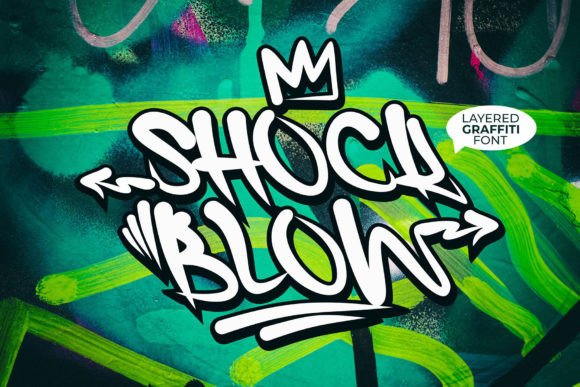
At its core, Shock Blow is defined by its structural integrity and stylistic versatility. It is categorized as a graffiti font, meaning its letterforms are heavily influenced by the stylized writing found on city walls, freight trains, and murals. However, unlike some chaotic, illegible street scripts, this font strikes a balance between artistic flair and readability. The characters are bold, featuring dynamic strokes that mimic the pressure changes of a human hand holding a thick marker or spray can.
What sets this typeface apart from standard block letters is the inclusion of swash characters. In typography, swashes are decorative extensions or flourishes added to the ends of letter strokes. In the context of Shock Blow, these swashes serve a specific purpose: they enhance the "flow" of the text. When you are designing a logo or a headline, these flourishes allow letters to connect visually or add a trailing swoosh that suggests movement. This feature transforms static text into a dynamic visual element, making it perfect for designs that need to feel alive and kinetic.
Solid vs. Shadow: Two Distinct Personalities
One of the most practical features of the Shock Blow font family is its offering of two distinct style variations: Solid and Shadow. Understanding when to use each is key to mastering the typeface.
- The Solid Style: This variation offers a clean, authoritative, and straightforward appearance. It removes any additional depth effects, focusing entirely on the shape of the letter. The Solid style is ideal for situations where legibility is the top priority but you still want to maintain that graffiti edge. It works exceptionally well for overlaying on busy backgrounds, such as photographs of cityscapes or textured concrete, where a shadow effect might get lost or create visual clutter.
- The Shadow Style: This variation adds depth and dimension to the characters, creating a three-dimensional effect that makes the text appear to pop off the screen. It mimics the look of a drop shadow, a staple technique in old-school graffiti art used to make letters stand out. The Shadow style is perfect for clean backgrounds where the text needs to be the focal point, such as a white t-shirt design or a minimalist poster. It adds instant visual interest and makes the typography feel heavier and more grounded.
Practical Applications in Modern Design
The versatility of Shock Blow makes it a valuable asset across a wide range of creative projects. While it is obviously suited for street art, its applications extend far beyond that niche. In the modern workflow, designers are often tasked with creating assets that bridge the gap between high-energy youth culture and professional branding.
Poster Design and Event Promotion: For music festivals, skateboarding competitions, or urban sports events, the font provides the necessary hype. The bold nature of Shock Blow ensures that headlines are readable from a distance, while the swash elements can be used to create unique logos or stylized artist names. Imagine a concert poster where the band name is set in the Shadow variation, popping against a dark, gritty background, while the event details are in a cleaner sans-serif. This creates a clear hierarchy that guides the viewer's eye.
Merchandise and Apparel: T-shirt design is a massive industry, and typography plays a central role. Graffiti fonts are perennial favorites in streetwear. Using the Solid variation of Shock Blow allows for screen printing that is cost-effective (fewer colors for the shadow effect) while maintaining high impact. Conversely, the Shadow variation can be used for digital prints on hoodies and caps, giving the merchandise a premium, three-dimensional look.
Social Media and Digital Content: In the fast-paced world of Instagram and TikTok, grabbing attention in the first second is crucial. Thumbnails and story graphics benefit immensely from bold, expressive typography. Shock Blow can be used to create call-to-actions, sale announcements, or channel branding that cuts through the noise. Its urban aesthetic resonates particularly well with audiences interested in gaming, music, and lifestyle content.
Integrating Shock Blow into Your Workflow
Adopting a new font into your design toolkit requires more than just installation; it requires a strategy for integration. When working with a high-impact font like Shock Blow, the principle of contrast is your best friend.
Because the font is so detailed and expressive, it should rarely be used for body text. Long paragraphs set in a graffiti style can become illegible and exhausting to read. Instead, reserve Shock Blow for headers, sub-headers, and display text. Pair it with a clean, geometric sans-serif font for the supporting copy. This contrast allows the graffiti elements to shine without overwhelming the viewer.
Furthermore, pay attention to kerning and tracking. Graffiti lettering often features interlocking characters or overlapping swashes. While Shock Blow is designed with standard spacing, you may want to manually adjust the tracking (letter spacing) to tighten up the text for a more cohesive "tag" look. However, be careful not to let the characters crash into each other in a way that obscures the letterforms. The goal is to maintain the flow while ensuring every character is distinct.
Color and Texture Considerations
The color palette you choose will significantly impact how Shock Blow is perceived. High-contrast combinations work best. Think neon pinks against concrete grey, or stark white text on a black background. These combinations mimic the reality of street art, where spray paint stands out sharply against the urban environment.
Texture is another important factor. Applying a "grunge" texture overlay to your text can help blend the digital font with a physical background, making it look more authentic. If you are using the Shadow style, ensure that the shadow color complements the main text color rather than clashing with it. A darker shade of the primary color usually works better than a stark black shadow for a more modern, stylized look.
Choosing the Right Style for Your Project
Before you begin your design, take a moment to consider the specific needs of your project. Are you designing for print or digital? Is the background complex or simple?
If you are working on a project with a strict color limit, such as a two-color screen print, the Solid style of Shock Blow is the logical choice. It provides the necessary impact without the complexity of a shadow layer. It is also the better choice for smaller text sizes, as the shadow detail can sometimes muddy the letterforms when scaled down.
On the other hand, if you are creating a digital banner, a YouTube thumbnail, or a high-resolution poster where color is not an issue, the Shadow style offers a more polished and complete look. It adds a layer of professionalism to the raw graffiti style, making it suitable for corporate clients who want to appear "edgy" without losing their premium feel.
Ultimately, Shock Blow is more than just a collection of letters; it is a tool for expression. By leveraging its swash characters and understanding the tactical differences between its Solid and Shadow variations, designers can unlock a new level of creativity. Whether you are aiming for the raw authenticity of a back-alley mural or the polished energy of a streetwear brand, this font provides the foundation for typography that truly makes a statement.