Understanding Ocean: The Typeface Bringing Digital Tranquility to Modern Design
In the contemporary digital landscape, where the average user is bombarded with thousands of visual stimuli daily, the role of typography has shifted from merely functional to deeply psychological. For professionals, creators, and entrepreneurs, the choice of typeface is no longer just about legibility; it is about emotional resonance. As we navigate an era defined by rapid technological acceleration, there is a counter-movement emerging in the creative industry: the search for digital tranquility. This is where Ocean, a captivating script and handwritten typeface, enters the conversation. It is not just a font; it is a design response to the growing need for calmness and human connection in a hyper-connected world.
The Aesthetic of Fluidity: What Defines Ocean?
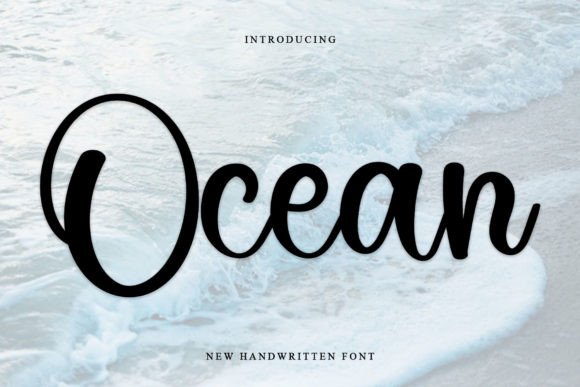
At its core, Ocean is a visual representation of fluidity. It is a handwritten typeface that transcends the rigidity of geometric sans-serifs that have dominated the web for the last decade. The defining characteristic of this font is its reflection of the fluidity and tranquility found in nature. The letterforms are crafted with graceful curves and organic strokes that mimic the movement of water. This creates a visual rhythm that is soothing to the eye, offering a break from the harsh, grid-locked layouts of corporate minimalism.
For the discerning designer, the appeal of Ocean lies in its ability to evoke a sense of calmness and serenity without sacrificing sophistication. Unlike many "casual" script fonts that can appear childish or unprofessional, Ocean strikes a balance. It possesses a natural beauty that feels authentic. It suggests that the brand using it is approachable, mindful, and in tune with the organic world. In a market saturated with synthetic, AI-generated perfection, the imperfect, human touch of a handwritten font like Ocean becomes a valuable asset.
Aligning with Market Trends: The Rise of "Humanized" Branding
To understand the relevance of Ocean, one must look at the broader shifts in consumer behavior and market expectations. We are currently witnessing a significant pivot away from the "tech-heavy" aesthetic of the early 2020s. Consumers, particularly Millennials and Gen Z, are gravitating toward brands that feel authentic, ethical, and human. This shift impacts everything from UI/UX design to logo creation and marketing collateral.
The "Humanized Branding" trend dictates that companies must strip away the corporate veneer to reveal the people and values behind the logo. Typography is the frontline of this battle. Using a standard Helvetica or Arial conveys neutrality, but it can also convey coldness. In contrast, using a typeface like Ocean immediately signals warmth and creativity. It fits perfectly into the broader industry trend of "biophilic design"—the concept of connecting humans with nature within built environments and digital spaces.
Furthermore, the gig economy and the creator economy have exploded. Freelancers and solopreneurs need to differentiate themselves instantly. A unique typeface is often the first step in building a memorable personal brand. Ocean provides that distinctiveness. It allows a photographer, a wellness coach, or a boutique agency to project a specific vibe—relaxed, artistic, and confident—before a single word of copy is read.
Shifting Workflows and the Need for Digital Warmth
The way we work and consume content has changed dramatically. Remote work and digital-first interactions have led to what many psychologists call "digital fatigue." Screens have become the primary window to the world, and users are increasingly sensitive to designs that feel cold, sterile, or overly utilitarian.
This changing preference has forced marketers and designers to rethink their visual strategies. There is a growing expectation for digital interfaces to feel "warmer." We are seeing a resurgence of texture, grain, and hand-drawn elements in web design. Ocean fits into this workflow seamlessly. It is not merely a decorative element; it is a functional tool for breaking the monotony of digital interfaces.
For example, in the realm of user experience (UX), headers and call-to-action buttons set in Ocean can soften the user's journey. They create a focal point that feels personal, almost like a handwritten note from a friend, rather than a command from a machine. This subtle psychological nudge can increase engagement and time-on-page, proving that font choice is a business decision, not just an artistic one.
Practical Applications: Where Ocean Excels
For professionals looking to integrate Ocean into their toolkit, the applications are vast. Its versatility stems from its ability to be elegant yet readable. Here is how different sectors can leverage this typeface:
- Branding and Identity: Ocean is perfect for brands that want to position themselves as "premium lifestyle." Think of high-end organic skincare, artisanal coffee roasters, or boutique travel agencies. The font suggests that the product is crafted with care.
- Social Media Marketing: In the fast-scrolling environment of Instagram or Pinterest, static text often gets ignored. The organic strokes of Ocean catch the eye because they break the pattern of standard text. It is particularly effective for quotes, testimonials, and inspirational content, adding a layer of emotional weight to the words.
- Wedding and Event Stationery: The "captivating script" nature of the font makes it an obvious choice for the event industry. It evokes the romance and flow of water, making it ideal for invitations, save-the-dates, and event signage where elegance is paramount.
- Editorial Design: When used for pull quotes or sub-headers in long-form articles, Ocean provides a visual palate cleanser. It contrasts beautifully with clean serif or sans-serif body text, guiding the reader's eye and emphasizing key insights.
The Psychology of Serifs and Strokes
Why does a font like Ocean work so well? The answer lies in visual psychology. Humans are naturally drawn to curves over sharp angles. In nature, sharp angles often signal danger (thorns, jagged rocks), while curves signal safety and flow (hills, water, rolling clouds). By utilizing these "graceful curves," Ocean subconsciously puts the viewer at ease.
Moreover, the "handwritten" aspect triggers associations with the human touch. In an age where much of our content is generated or mediated by algorithms, seeing a font that mimics the human hand creates a bridge of trust. It implies that a real person is behind the message. For entrepreneurs, this trust is currency. Using Ocean in a proposal or a pitch deck can subtly humanize the presenter, making the content feel more like a conversation and less like a transaction.
Future-Proofing Design with Organic Typography
As we look forward, the relevance of typefaces like Ocean is set to increase. The trajectory of design technology suggests a bifurcation: on one side, we will see ultra-futuristic, AI-driven interfaces; on the other, we will see a massive demand for the "retro-human" aesthetic.
Designers who master the use of expressive, organic fonts now are future-proofing their skills. They are learning how to balance the efficiency of digital tools with the emotional depth of handcrafted art. Ocean is a prime example of this balance. It is a digital asset that retains the soul of analog art.
Furthermore, as screen resolution technology improves (think Retina displays and 4K mobile screens), the subtleties of script fonts are rendered with stunning clarity. The "organic strokes" of Ocean no longer blur or pixelate; they appear crisp and tangible. This technological advancement removes the barriers that previously made designers hesitant to use complex scripts for smaller text sizes, opening up new possibilities for layout and hierarchy.
Conclusion: A Strategic Asset for the Modern Creator
In conclusion, Ocean is more than just a collection of glyphs; it is a strategic design asset for the modern era. It addresses the market's craving for authenticity, provides a solution to digital fatigue, and offers a versatile tool for branding across various industries. For the freelancer looking to stand out, the marketer aiming to connect, or the designer seeking to evoke emotion, Ocean provides a pathway to more meaningful visual communication.
By embracing the soothing, artistic style of Ocean, professionals can create typographic experiences that do not just convey information, but also convey feeling. In a world that is increasingly complex and fast-paced, the ability to offer your audience a moment of visual tranquility is not just a design choice—it is a competitive advantage.