Architoria: A Guide to Choosing a Victorian Blackletter Font
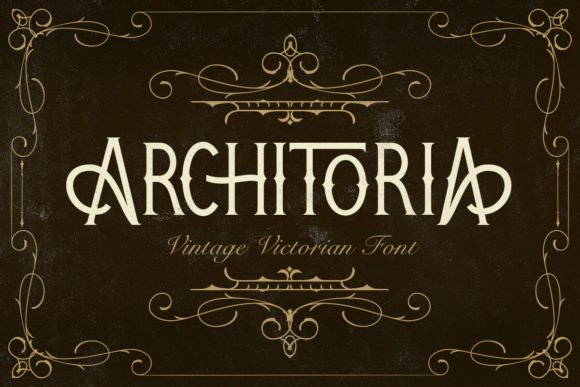
In the landscape of digital typography, selecting a typeface that conveys a specific historical era requires a careful balance between aesthetic appeal and functional usability. Architoria represents a specific category within this field: a blackletter font characterized by a Victorian vintage style. Unlike traditional Gothic blackletter scripts that strictly adhere to medieval handwriting, Architoria integrates the ornamental sensibilities of the 19th century with the structural weight of blackletter.
This article provides an objective evaluation of the Architoria typeface, intended for designers, brand strategists, and creatives who are currently weighing their font options. The goal is to help you determine if this specific style aligns with your project's visual language and technical requirements.
Defining the Aesthetic: Victorian Influence on Blackletter
To understand the utility of Architoria, one must first understand the intersection of styles it represents. Traditional blackletter, often referred to as Gothic script, is defined by angular strokes and dense textures. However, Architoria applies a vintage Victorian filter to these forms. This often implies a certain level of refinement, potential decorative detailing, and a structure that feels "industrial" or "old-world" rather than purely ecclesiastical.
For the user evaluating this font, the visual output suggests an era of printing where typography was beginning to be used for mass commercial advertising. It is a style that communicates heritage, weight, and a sense of established history.
Scenarios Where Architoria is a Strong Fit
When evaluating a typeface, context is the most critical factor. Architoria is not a universal solution for all text needs; rather, it is a specialized tool designed to evoke a specific mood. You may find this font to be a strong candidate for your project in the following scenarios:
- Branding and Logotypes: If the brand identity you are building relies on themes of authenticity, craftsmanship, or tradition, Architoria provides the necessary visual weight. It is particularly effective for businesses in the grooming, distilling, or artisanal food sectors.
- Editorial and Poster Design: The font excels in display environments. When used for headlines in magazine layouts or on event posters, the intricate details of the Victorian style can capture attention effectively.
- Apparel and Merchandise: The vintage aesthetic translates well to physical goods, specifically screen printing on textiles where the high contrast of the letterforms can stand out against fabric textures.
Benefits and Expectations
When incorporating Architoria into a design system, users can expect several distinct advantages that stem from its stylistic origins.
Visual Impact and Atmosphere
The primary benefit of using a font like Architoria is its ability to instantly establish a mood. A standard sans-serif font requires supporting imagery to feel "vintage," whereas Architoria carries that atmosphere inherently. It allows for instant thematic recognition.
Distinctiveness
In a market saturated with minimalist and geometric fonts, a detailed blackletter typeface stands out. If the goal of the design is to differentiate a product from modern, tech-centric competitors, the old-world charm of Architoria serves as a strong differentiator.
Tradeoffs and Functional Considerations
While the aesthetic is strong, objective evaluation requires acknowledging the limitations inherent in blackletter typography. Choosing Architoria involves specific tradeoffs that must be managed during the design process.
Legibility vs. Readability
There is a distinct difference between legibility (the ability to distinguish individual letters) and readability (the ability to read text blocks easily). While Architoria is designed to be legible as a display font, it is not recommended for body text. The ornamental nature of Victorian blackletter can cause eye strain when read in long paragraphs. It is best utilized for short, impactful headers.
Cultural Connotations
Blackletter fonts carry heavy historical weight. While they represent tradition and craftsmanship in many Western contexts, they can also be associated with antiquated legal documents or specific historical periods that may not align with every brand voice. It is essential to ensure the target audience interprets the style as "vintage" rather than "archaic."
Comparing Architoria to Alternatives
When deciding whether to proceed with Architoria, it is helpful to compare it against other font categories to ensure it is the right tool for the job.
- Architoria vs. Modern Sans-Serifs: If your project prioritizes digital screen legibility, accessibility, and a futuristic feel, a modern sans-serif is the superior choice. Architoria should only be chosen if the priority is historical character.
- Architoria vs. Serif Display Fonts: If the blackletter aspect feels too aggressive, a decorative serif font might offer a "vintage" feel with slightly higher readability. However, if the specific "Victorian industrial" vibe is required, serif fonts may lack the necessary sharpness and weight.
- Architoria vs. Traditional Gothic: Traditional Gothic scripts can be difficult to read for modern audiences unfamiliar with the letterforms. Architoria, with its Victorian influences, often simplifies certain curves or connections to make the font more accessible to the modern eye while retaining the blackletter structure.
Practical Decision-Making Insights
To determine if Architoria aligns with your goals, consider the following practical questions during your evaluation phase:
- What is the primary medium? Architoria works exceptionally well in high-resolution print and vector formats. In low-resolution digital environments or small mobile screens, fine details may be lost, causing the text to look muddy.
- What is the usage scale? This font is designed to be used large. If you need a font for a billboard, a poster, or a logo, it is a strong candidate. If you need a font for a caption or a button, it is likely too complex.
- Does the brand voice match? Ensure that the tone of your copy is formal, historical, or artisanal. A playful, modern, or minimalist voice may clash with the serious nature of a Victorian blackletter.
Conclusion
Architoria is a specialized typeface that effectively bridges the gap between medieval blackletter and 19th-century vintage design. It is a valuable asset for designers looking to inject a sense of history, weight, and authenticity into their work. However, its utility is specific: it is a display font that demands careful implementation regarding size and context.
By weighing the benefits of its strong visual character against the tradeoffs in readability and historical connotation, you can make an informed decision. If your project demands a vintage, old-world aesthetic with a commanding presence, Architoria is a typeface well worth exploring.